The kitchen is often the busiest room in the house, used for cooking, homework, entertaining, and family conversation. Today, full kitchen design focuses on creating spaces that look beautiful while working efficiently every day. Homeowners want layouts that reduce clutter, save time, and feel welcoming. This guide explores popular trends that bring style and practicality together. Understanding current ideas can help you plan with confidence.
1. Open and Flexible Layouts
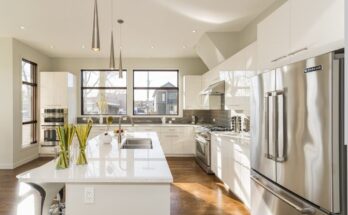
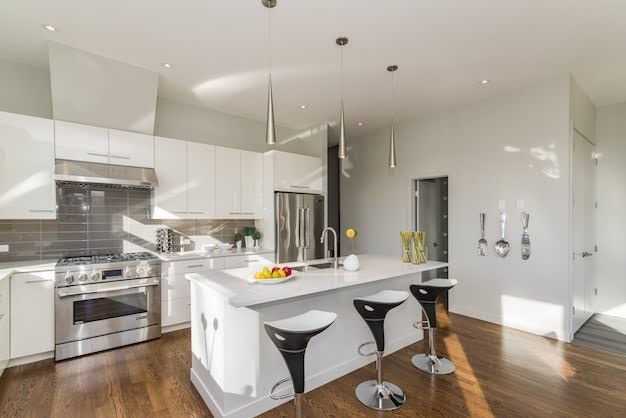
Many homeowners prefer kitchens that connect naturally with dining and living areas. A thoughtful full kitchen design may include a large island, clear walking paths, and zones for cooking, cleaning, and storage.
Flexible layouts make it easier for several people to work together. Good planning also keeps appliances, sinks, and prep areas within comfortable reach. Open spaces also make entertaining more enjoyable.
2. Smart Storage Solutions
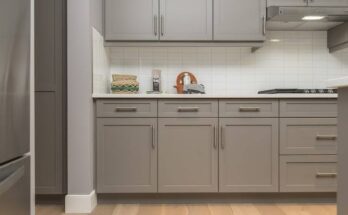
Clutter-free counters are a major goal in modern homes. Pull-out drawers, corner cabinets, tall pantry units, and hidden appliance garages can transform a full kitchen design without making it feel crowded.
Vertical storage uses wall space effectively, while organizers keep utensils and cookware easy to find. Choose solutions that match how you actually cook. Organized cabinets save time every single day.
3. Natural Materials and Textures
Warm wood, stone, matte finishes, and soft neutral colors continue to be popular. In a full kitchen design, mixing textures can add depth without overwhelming the room. Quartz and similar surfaces offer durability and simple cleaning, while wood accents bring warmth.
Select materials that handle heat, moisture, and daily wear. Samples help you compare colors under real lighting.
4. Energy-Efficient Appliances and Technology
Modern appliances can reduce energy use and simplify routines. A practical full kitchen design may include induction cooktops, efficient dishwashers, smart ovens, or touchless faucets.
Technology should solve real problems rather than add complexity. Check energy ratings, warranties, and service availability before buying, and make sure the layout leaves room for ventilation. Quiet, efficient machines make the room more pleasant.
5. Layered Lighting
Good lighting improves safety, comfort, and atmosphere. A successful full kitchen design combines bright task lighting over work areas, ambient ceiling lights, and decorative fixtures above islands or dining spaces.
Under-cabinet lights help during food preparation, while dimmers allow the mood to change for evening gatherings. Natural light from windows should also be used whenever possible. Warm bulbs often create a more inviting feeling.
6. Sustainability and Durability
Eco-conscious choices are becoming increasingly important. When planning a full kitchen design, consider responsibly sourced timber, recycled materials, low-VOC finishes, and water-saving fixtures.
Durable products may cost more at first but often last longer and need fewer replacements. Work with qualified professionals to ensure plumbing, electrical, and safety requirements are handled correctly. Small sustainable upgrades can still make a difference.
Final Thoughts
The best full kitchen design balances beauty, comfort, storage, and efficiency. Define your priorities, set a realistic budget, and choose materials that suit your lifestyle. With careful planning, your kitchen can become a stylish, practical heart of the home. Share your complete wish list early so designers understand.