Your home is your biggest investment, and protecting it means you need to stay vigilant. Over time, various elements, such as rain, sun, wind, and snow, can damage your house’s exterior. What you think might be a small cosmetic issue can become a huge problem later on.
This is why you need to maintain the outside of your house, not only for curb appeal, but also for structural integrity and energy efficiency.
This blog explores common signs that show something is up with your house and needs your attention.
Cracks Appearing in Roughcasting or Exterior Render
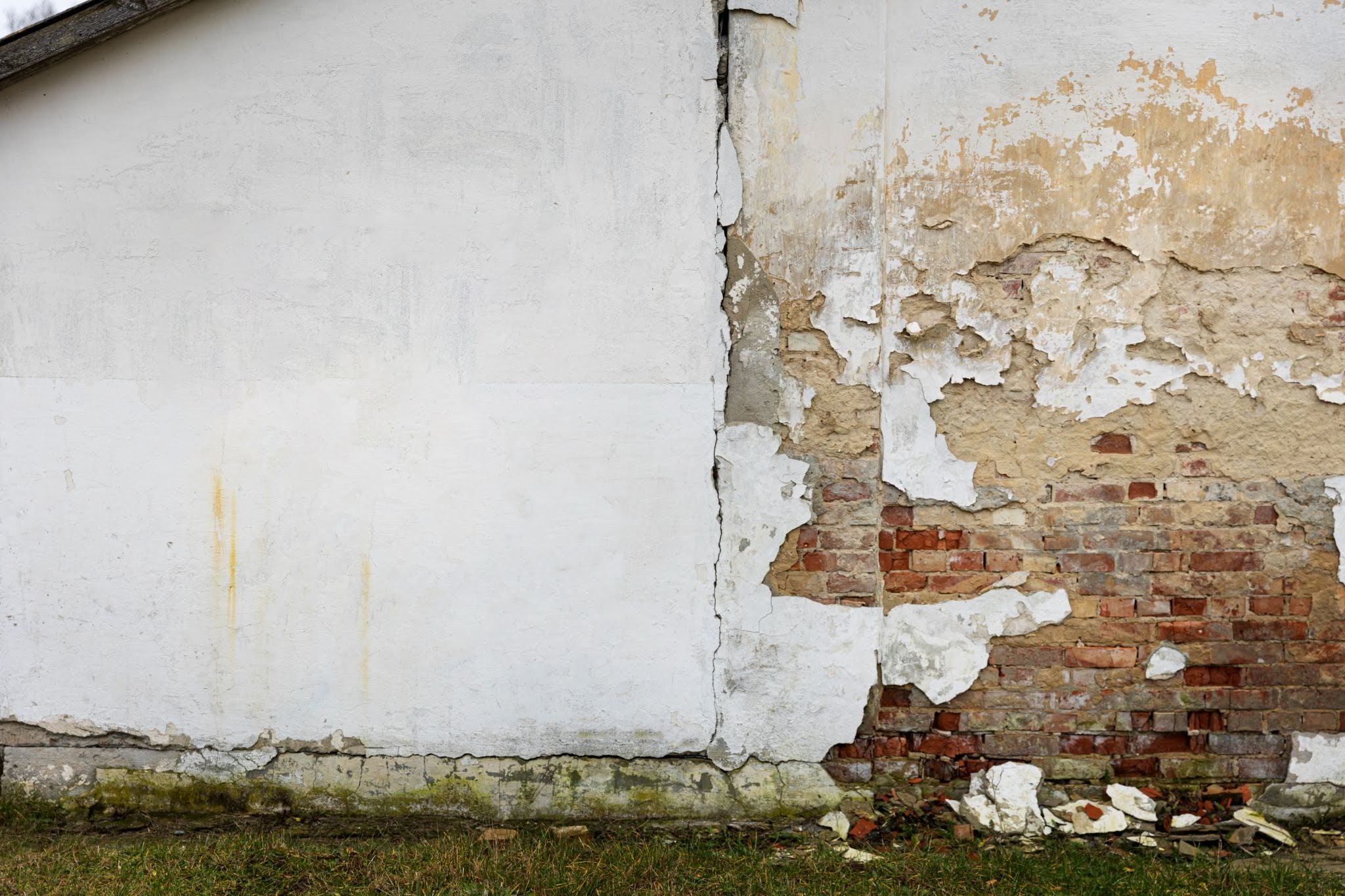
Cracks in your home’s roughcasting and render signal more than just a cosmetic problem. They are signs that your property needs immediate exterior repairs. When the render cracks, it compromises your house’s structure and aesthetics.
Rainwater can seep in, trapping moisture. Then this moisture travels inward, ruining interior plaster, paint, and wallpaper, and even poses health hazards by promoting mold growth.
You should inspect for cracks and address them accordingly. You can also go for specialized services that can completely strip and re-render for better protection.
Roofing Deterioration and Water Leaks
The roof has to absorb the impact of every storm. Some of the warning signs of roof damage include missing, curled, or cracked shingles and granules collecting in gutters. Visible sagging usually indicates a serious structural issue that needs your immediate attention.
Moreover, water stains on interior ceilings or walls are also a sign that your roof’s structure is being compromised. To address any of these signs, you need to hire expert roofing services.
Peeling, Blistering, or Fading Paint
Paint not only enhances the house’s aesthetic value but also protects it. It creates a protective layer that shields the materials underneath from external elements. When you see external paint bubbling, peeling, or blistering, it usually means that moisture has gone beyond the protective barrier and become trapped.
Once the house’s structure is exposed, it becomes vulnerable to rot and pest infestation. Therefore, you should address peeling and blistered paint early to prevent serious damage.
Damaged, Warped, or Missing Siding
Siding keeps wind and water away from your house’s structure. However, when a panel starts cracking, loosening, warping, or falls off completely, your house becomes vulnerable to harsh elements. Warped siding usually means hidden rot or moisture damage. If you notice green or black patches, it means trapped moisture.
Damaged sections can also become entry points for pests. Therefore, calling experts to inspect and repair the damaged siding is important.
Rotting Wood Around Windows and Doors
The wooden frames around your windows and doors are most vulnerable to moisture. Over time, the caulking and weatherstripping around these can crack, shrink, or deteriorate. That’s when they allow water to seep in.
If the wood around the windows or doors feels soft or crumbles, it is a major sign of wood rot. If you don’t address it in time, it can compromise structural integrity and become a breeding ground for pests like termites and carpenter ants.
Spiking Energy Bills and Noticeable Drafts
Sometimes, exterior problems manifest as spikes in utility bills. If you notice a sudden increase in heating or cooling costs, or if the house feels drafty, it usually indicates exterior issues.
Broken window seals or cracked door frames let conditioned air escape, making the HVAC system work harder. Therefore, to save on utility bills, inspect and address exterior issues.